Onion seed
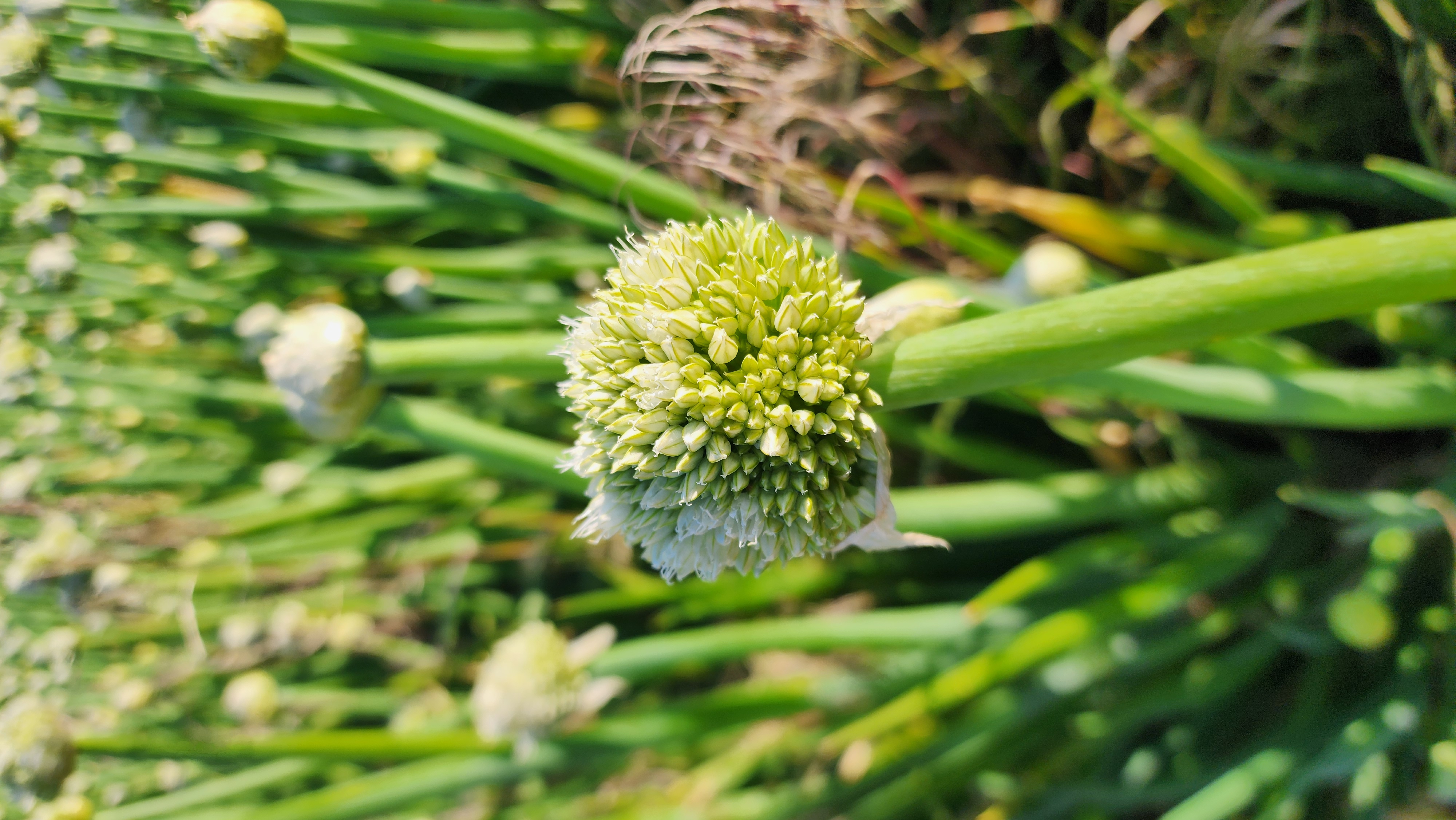
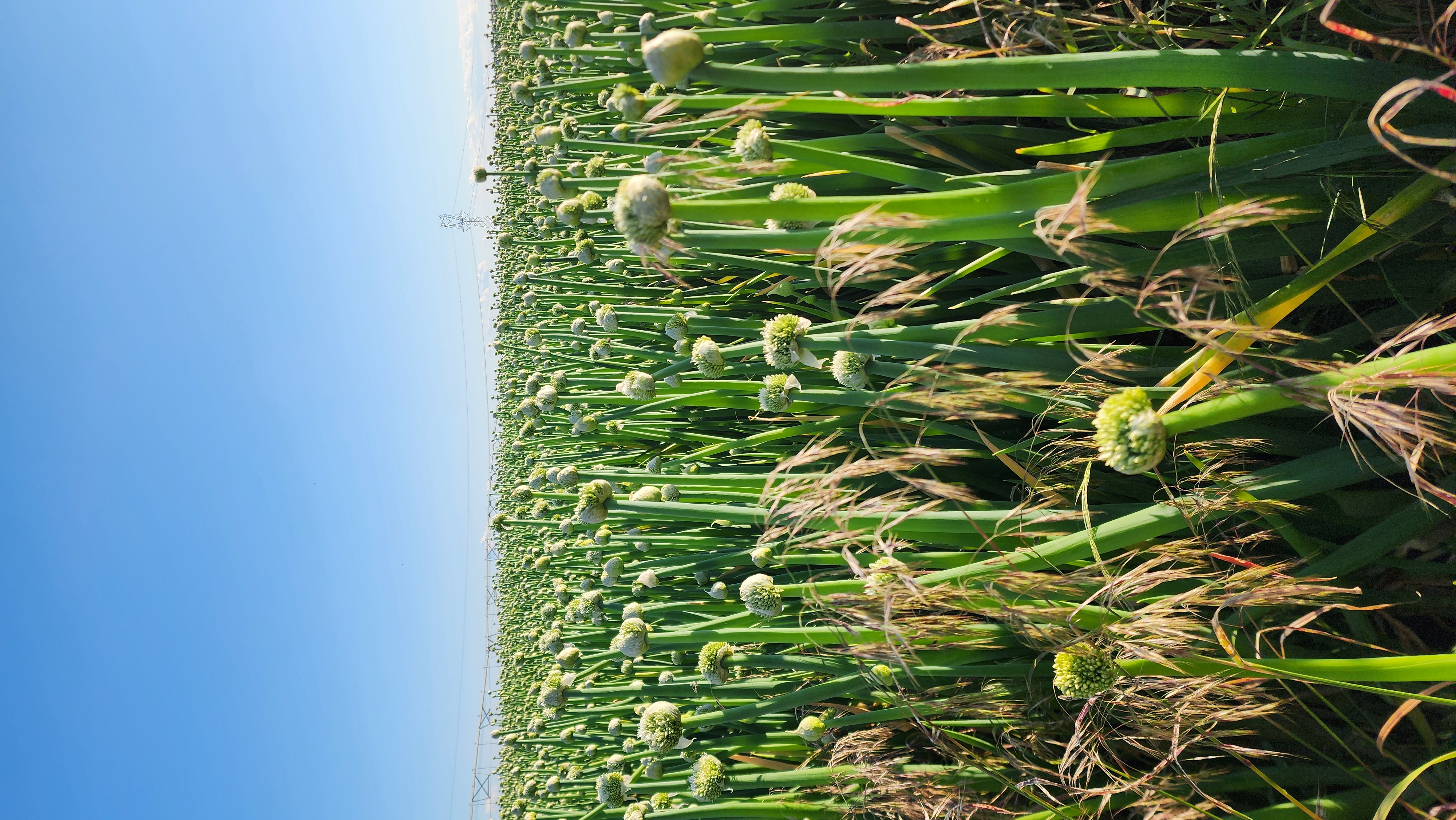
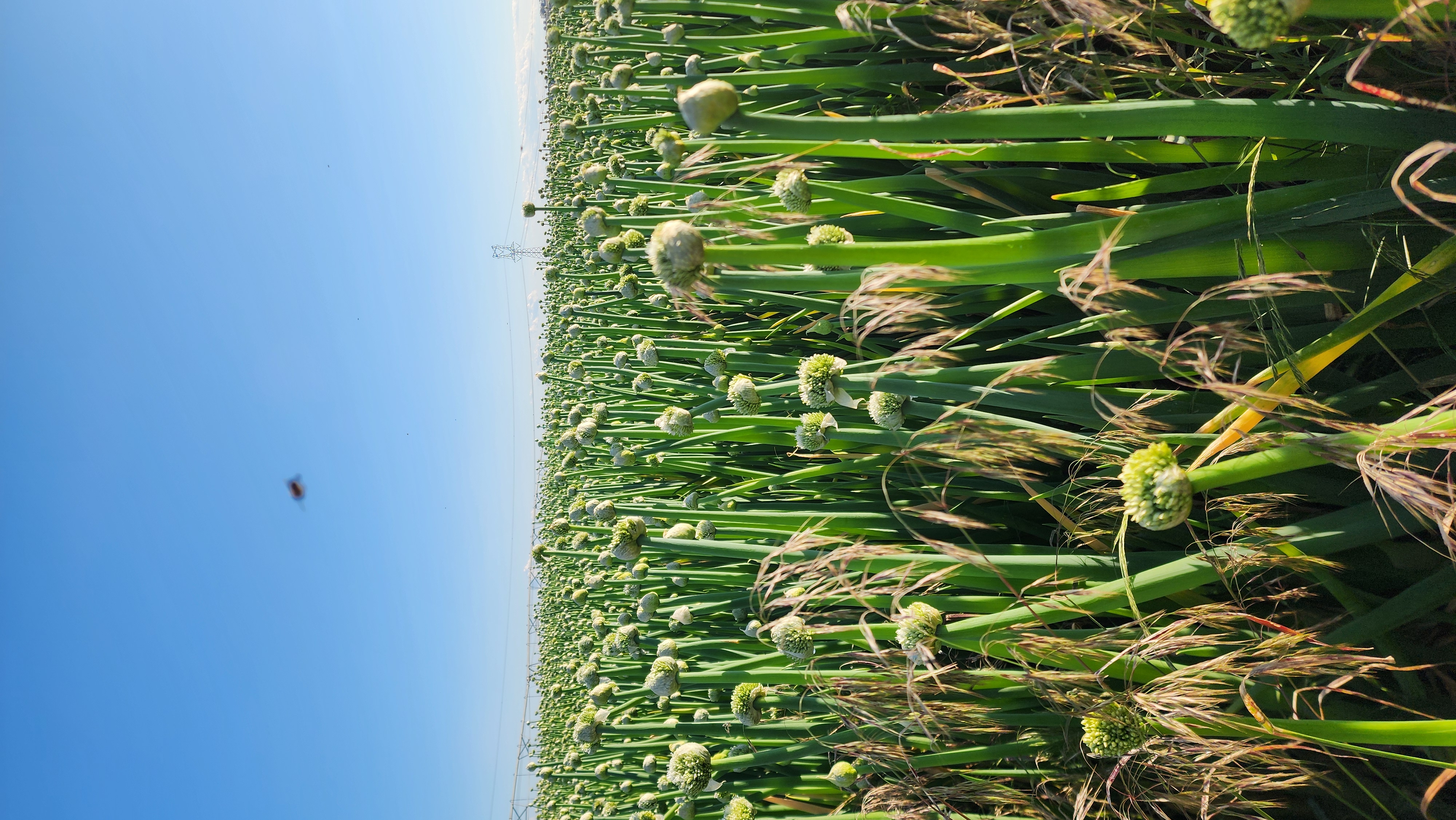
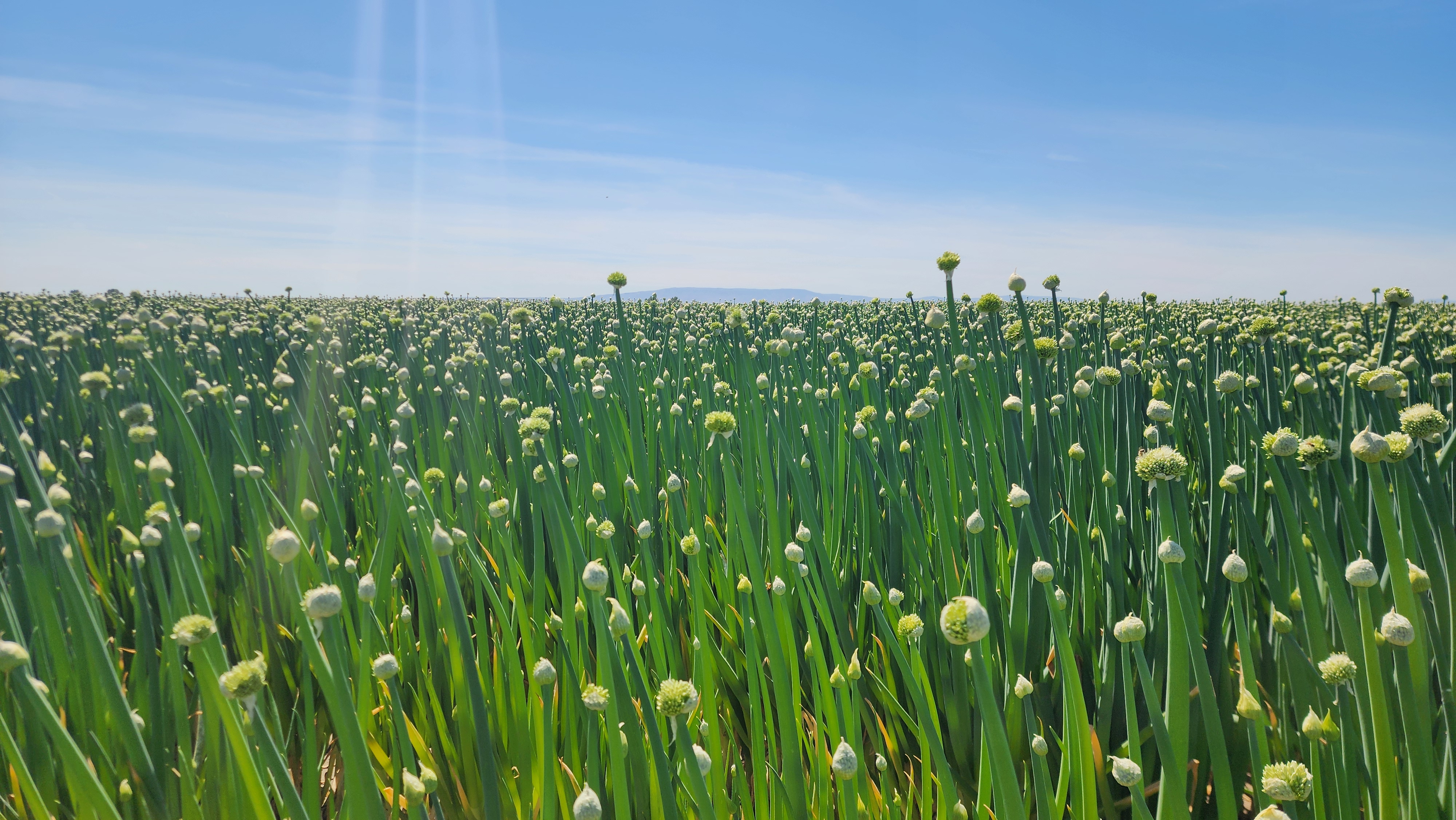
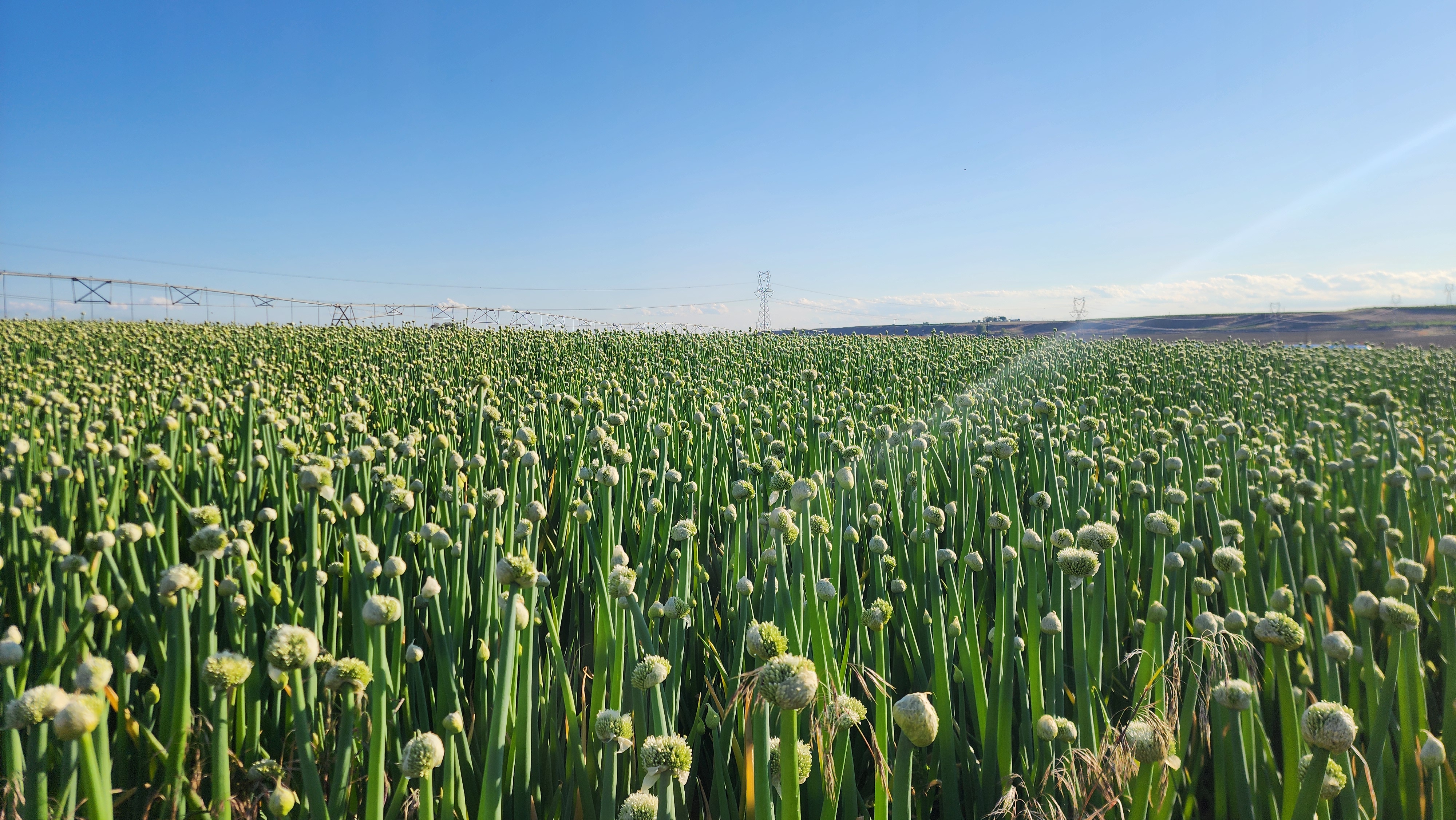
As the season warms, the basin turns to high-value seed crops — and onion seed is one of the most demanding bee jobs of all. Onion nectar simply isn't very appealing to bees, so the work is about putting enough strong colonies in the right places to keep them on the rows.
Set to the field, not a chart.
| Planting & row spacing | Recommended |
|---|---|
| Open fieldgood distribution, few competing flowers | ~3colonies / acre |
| Hybrid blocks & competitionunattractive nectar, nearby bloom | 5+colonies / acre |
Onion nectar is comparatively unattractive to honey bees, so seed fields need high colony numbers and careful distribution to keep bees working the crop instead of drifting to more rewarding bloom nearby. A regional baseline for vegetable seed is around three colonies per acre, stepped up in hybrid blocks — and placement in groups through the field matters as much as the count.
Strong colonies, in the right place, on time.
- Numbers to beat the competitionBecause onion bloom is unattractive, we stock heavily so enough foragers stay on the crop.
- Distributed across the fieldColonies are set in groups throughout the field — close coverage keeps bees on the rows.
- Strong, working coloniesFull-strength colonies with high pollen demand are far more likely to work a reluctant crop.
- Health tracked through the jobStrength and mite pressure are monitored before and during.
If you want to go deeper.
Independent university-extension and research sources on onion seed pollination — useful background as we plan your season together.
These figures are general industry recommendations, not a fixed price or a promise of a specific colony count. Final stocking is set per field with you, based on acreage, planting density, variety and bloom conditions. External links open third-party sites we don't control.
Planning onion seed for the coming season?
Tell us your acreage and bloom window and we'll talk through colony numbers, timing and placement.